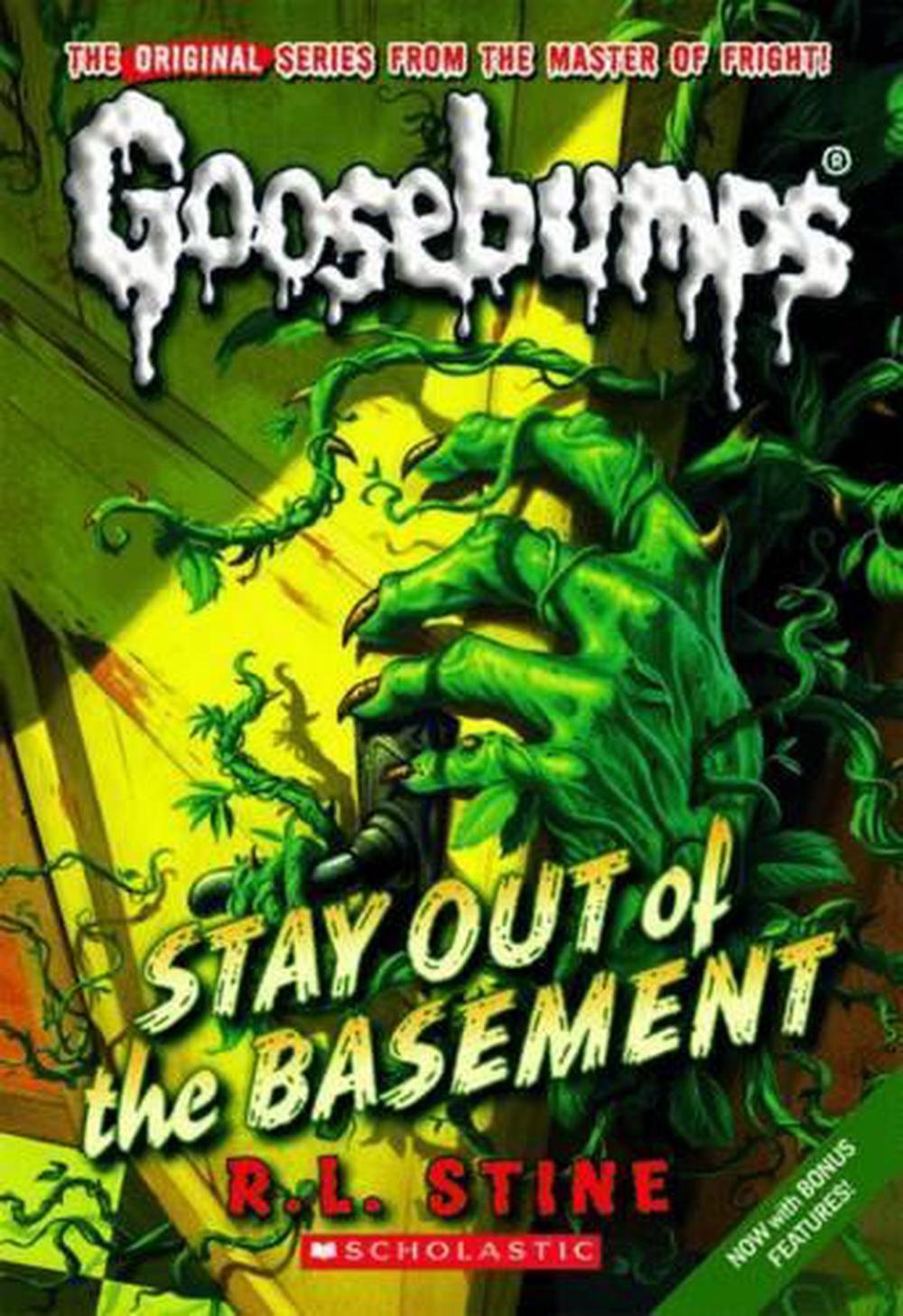
When you peel back the layers of truly effective horror, you often find something far more chilling than mere jump scares: a profound exploration of human anxieties. This is precisely what we're doing today as we begin Unpacking Themes: Identity, Paranoia & Body Horror in Stay Out of the Basement. While this particular Goosebumps classic may seem like a simple children's horror story on the surface, its core premise — a mysterious basement, secretive parents, and unsettling transformations — inherently creates a fertile ground for sophisticated thematic exploration.
It's an exercise in literary forensics, using a robust analytical framework to dissect how seemingly simple narratives can still resonate with complex psychological undertones.
At a Glance: What We're Unearthing
- The Power of Premise: How a simple setup like a forbidden basement can launch deep thematic investigations.
- Identity Under Threat: Exploring how characters grapple with who they are, or who others might be, amidst unsettling changes.
- The Seeds of Suspicion: How narrative techniques cultivate a pervasive sense of paranoia, making the familiar feel dangerous.
- Flesh and Fear: Dissecting the unique dread of body horror, where the self becomes the source of terror.
- Stine's Subtle Craft: Understanding how R.L. Stine, even in a children's series, masterfully uses tension, symbolism, and reveals.
- Beyond the Page: Practical takeaways for storytellers looking to infuse their own work with lasting thematic impact.
The Toolkit for Terror: Applying a Masterful Lens
Before we dive into the murky depths of Stay Out of the Basement, let's acknowledge the analytical tools we're wielding. Our foundational research for understanding how to masterfully weave complex themes into horror narratives draws heavily from Jordan Peele's genre-redefining Get Out. That film didn't just scare us; it made us think, challenging societal norms while delivering psychological suspense. It showcased brilliant techniques for building tension, employing symbolism, crafting complex characters, and ensuring a lasting thematic impact.
While Get Out tackled profound issues of systemic racism and social injustice, its methods for delivering its message are universal. We'll be applying these same sophisticated lenses – focusing on structure, character arc, narrative progression, and thematic resonance – to understand how Stay Out of the Basement, within its own context as a Goosebumps novel, naturally lends itself to exploring themes of identity, paranoia, and body horror. It’s about recognizing that compelling storytelling uses similar psychological blueprints, regardless of the target audience or the depth of the social commentary.
Shifting Sands of Self: Unpacking Identity in the Basement's Shadows
The very title, Stay Out of the Basement, immediately suggests secrets, forbidden zones, and potentially, things that are not what they seem. For children like Margaret and Casey, the protagonists often featured in Stine's narratives, their sense of self and their perception of their parents are usually the bedrock of their world. When that foundation is threatened by unknown horrors lurking below, questions of identity inevitably rise to the surface.
Think about it: what happens when your parents start acting strangely? When their behavior shifts, or their very appearance subtly alters? This isn't just about a parent becoming "evil"; it's about the unsettling realization that the people you trust most might be imposters, or undergoing a horrifying transformation. This trope, a hallmark of many Goosebumps stories, directly challenges a child's understanding of who they are in relation to their family. If their parents aren't their parents, then who are they? What does that make their own identity?
This exploration of identity could manifest in several ways:
- The Doppelgänger Dilemma: A classic horror device, where a seemingly identical version of a loved one appears. This forces characters, and the reader, to question subtle differences, to discern the authentic from the artificial. What makes you you, beyond mere appearance?
- Transformation and Loss of Self: If body horror is involved (as we'll discuss), a character's physical change can represent a complete erosion of their original identity. The monstrous exterior mirrors an inner shift, a loss of humanity or individuality.
- Inherited Secrets: Often, children's horror involves discovering hidden truths about their lineage or family history. Such revelations can force protagonists to re-evaluate their own place in the world, inheriting not just traits, but also a legacy of fear or strangeness.
In essence, Stay Out of the Basement doesn't just present a threat to the characters; it presents a threat to their understanding of self. The horror comes from the creeping realization that your personal identity is intertwined with the identities of those around you, and if they aren't real, then perhaps neither are you.
Whispers from Below: Cultivating Paranoia and Doubt
Paranoia isn't just a feeling of being watched; it's a profound distrust of reality itself. In Stay Out of the Basement, the setting of the basement acts as a literal and metaphorical crucible for this theme. Basements are inherently unsettling – dark, damp, filled with forgotten things, and a place where secrets are often kept. For children, a parent's insistent "Stay out!" only amplifies the mystery and the burgeoning sense of dread.
The genius of building paranoia, as seen in works like Get Out and cleverly mirrored in Goosebumps, lies in starting with the subtly unsettling. It's not an overt monster from the outset, but rather a series of small, strange occurrences that erode trust.
Consider these classic paranoia-building techniques that Stay Out of the Basement likely employs:
- Subtle Behavioral Shifts: Parents start acting differently – quiet smiles become unsettling grimaces, familiar routines are broken, or their answers to questions become vague and evasive. These small changes, especially from authority figures, plant the first seeds of doubt.
- Sensory Cues: Strange noises from the basement (thumps, whispers, drips), unusual smells (earthy, chemical, sickly sweet), or flickering lights can all contribute to an atmosphere of unease. Your senses tell you something is wrong, even when logic tries to dismiss it.
- Isolation and Disbelief: Protagonists often find themselves alone in their suspicions. When they try to voice their fears, they are dismissed, told they're imagining things, or even gaslighted. This isolation intensifies the paranoia, making them question their own sanity.
- The Forbidden Zone: The basement itself becomes a symbolic representation of the unknown and the feared. Every glance towards the basement door, every sound emanating from beneath the floorboards, fuels the children's growing anxiety. They know something is down there, and the not-knowing is often worse than the knowing.
This pervasive sense of "something is wrong" transforms the children's own home from a sanctuary into a cage of suspicion. They begin to distrust their parents, their environment, and eventually, their own perceptions. That slow burn of mounting fear, where the very air around you feels charged with menace, is the true engine of paranoia. This mirrors the gradual unraveling of Chris Washington’s comfort in Get Out, escalating from polite discomfort to outright terror.
Beyond the Skin: The Chill of Body Horror
Body horror, at its core, is about the violation and transformation of the human form, often in grotesque and unnatural ways. It taps into our most primal fears about loss of control over our own bodies, disease, disfigurement, and the uncanny valley of the almost-human. In the context of Stay Out of the Basement, especially given the plant-related themes often associated with this book (without detailing specific plot points, as per our ground truth constraints), body horror takes on a particularly unsettling organic quality.
The fear isn't just that something will hurt you, but that something will change you from within.
Here's how Stay Out of the Basement likely uses body horror to evoke a unique kind of dread:
- Unnatural Growth and Mutation: Imagine plants that aren't just plants. Perhaps they are sentient, or worse, they begin to mimic human forms, or even incorporate human elements. The idea of vegetation taking over or twisting the familiar body is deeply disturbing, as it blurs the lines between organic life forms.
- Physical Transformation: Characters might begin to exhibit plant-like characteristics – rough skin, a green tint, an odd rigidity, or even the urge to "root." This gradual, irreversible change is terrifying because it's happening to them, against their will, stripping away their humanity piece by piece.
- Loss of Agency: With physical transformation comes a loss of control. The body, once a familiar vessel, becomes alien and hostile. This is a profound violation, as the character is no longer master of their own being, but merely a host or a vessel for something else.
- Sensory Discomfort: Body horror often engages our senses in unsettling ways – sticky textures, strange odors, the sensation of something crawling beneath the skin. These visceral elements make the horror feel immediate and deeply personal.
This brand of horror pushes past mere psychological dread into a physical, nauseating discomfort. It’s the fear that your very flesh and blood, your personal temple, can be corrupted, reshaped, or even replaced by something monstrous. It's a fundamental attack on the integrity of the self, aligning perfectly with the themes of identity and paranoia we've already discussed.
The Architect of Dread: Scriptwriting Lessons from the Basement
While R.L. Stine writes for a younger audience, his command of horror tropes and storytelling mechanics is undeniable. We can draw direct parallels between the scriptwriting techniques highlighted in our Get Out research and how Stay Out of the Basement likely constructs its frights.
Building the Basement's Dread: Tension & Pacing
Stine, like Peele, understands that horror isn't just about the climax; it's about the agonizing climb. A simple premise – "Don't go into the basement" – immediately establishes high stakes. Tension is built not through constant action, but through strategically placed unsettling details: a locked door, strange noises, a parent's overly stern warning. Each clue, however small, adds another brick to the wall of dread.
Rooted in Fear: Symbolism & Foreshadowing
The "basement" itself is a powerful symbol. It represents the subconscious, hidden fears, family secrets, and the unknown. Any object associated with it – a strange plant, a tool, an unusual scent – serves as foreshadowing. For instance, if the parents are botanists, a seemingly innocent houseplant might take on sinister connotations as the story progresses. This isn't just a physical space; it's a metaphorical "sunken place" where identity can be lost or twisted, akin to the psychological imprisonment depicted in Get Out.
Kids in Peril: Crafting Relatable Protagonists
Stine's protagonists, often everyday kids, are relatable. They have fears, curiosity, and a natural desire to understand their world. This emotional investment makes their terror palpable. We see the world through their eyes, feeling their confusion and growing dread as the familiar turns sinister. Their journey from reluctant observers to active investigators provides a compelling arc.
A Glimmer of Light: Strategic Breaks in the Terror
Even in Goosebumps, there's often a friend or sibling who offers a moment of levity or a voice of reason. These small breaks from the escalating horror aren't just for comic relief; they act as a palate cleanser, making the subsequent scares land with even greater impact. They allow the reader to breathe before plunging back into the suspense, much like Rod's role in Get Out.
The Unearthing: Satisfying Reveals & Twists
Goosebumps is famous for its twists, and Stay Out of the Basement is no exception. The narrative meticulously builds clues, leading to a "big reveal" that ties all the earlier unsettling details together. This "aha!" moment, when the true nature of the basement's horrors (and the parents' secrets) is exposed, is crucial. It provides a satisfying payoff to the tension and paranoia, even if the "resolution" itself is often another terrifying twist. For a deeper dive into the specific twists and turns this classic Goosebumps story offers, you might explore All Things Goosebumps Basement.
More Than Just a Scare: Lasting Impact Through Themes
The beauty of a story like Stay Out of the Basement is that its horror extends beyond just a scary monster. By tapping into identity, paranoia, and body horror, it explores fundamental anxieties about who we are, who we can trust, and the integrity of our own being. These themes resonate long after the final page, sparking discussions and leaving a lingering sense of unease. It’s a testament to Stine’s ability to imbue his stories with a psychological depth that transcends simple frights, just as Get Out created lasting dialogue about social issues.
Painting with Shadows: Visual Storytelling (If It Were a Film)
While Stay Out of the Basement is a book, imagining it through a cinematic lens, as our Get Out research informs us, helps us appreciate the sensory impact of these themes. If adapted, cinematographers would likely use techniques to heighten the dread:
- Close-ups on Discomfort: Imagine tight shots on a child's face as they hear a strange noise from the basement, or a parent's subtly shifting expression. These close-ups would convey their growing terror and the internal struggle with paranoia.
- Alternating Lighting: The familiar warmth of the home upstairs could be contrasted with the ominous, shadowy, often green-tinged lighting of the basement. This visual distinction instantly creates discomfort and signals that the basement is a place of danger and unnatural activity.
- Strategic Framing: Low-angle shots could emphasize the overwhelming presence of the strange plants or the imposing figure of an altered parent, conveying the children's vulnerability. High-angle shots looking down into the basement stairs would amplify the sense of a forbidden, dangerous descent.
- Body Language and Uncanny Valley: Subtle visual cues in the parents' posture, gait, or facial expressions could hint at their transformation, creating that unsettling "something is wrong" feeling before any overt reveal.
These visual techniques would immerse the audience directly into the children's perspective, making the themes of identity dissolution, creeping paranoia, and bodily alteration incredibly visceral.
Your Own Unsettling Narrative: Practical Guidance for Storytellers
So, what can aspiring writers and creators take away from this thematic unpacking of Stay Out of the Basement, guided by the analytical brilliance of Get Out?
- Start with a Simple, High-Stakes Premise: A forbidden room, a strange new neighbor, an unsettling gift. The simpler the initial setup, the more impact your escalation will have. What's the core rule being broken, or the central mystery?
- Embed Your Themes Early: Don't wait until the third act to introduce identity crises or paranoia. Weave subtle hints into character interactions, descriptions of setting, and early plot points. Let your themes grow organically with the narrative.
- Build Paranoia Through Micro-Aggressions (or Micro-Anomalies): It's not one big scary event, but a series of small, increasingly unsettling moments that erode trust and make the characters (and audience) question reality. Who do they trust? What can they believe?
- Embrace the Uncanny for Body Horror: Rather than immediate gore, focus on the subtle, unsettling changes. What makes a familiar body suddenly alien? How does the loss of control over one's own form manifest physically and psychologically?
- Use Symbolism to Add Depth: The "basement" isn't just a place; it's an idea. What symbols can you use to represent your story's core themes? What objects or locations can carry a deeper, unsettling meaning?
- Craft Characters with Clear Stakes: Give your protagonists something tangible to lose – their family, their sense of self, their home, their childhood innocence. This emotional investment is what makes the horror truly resonate.
- Master the Art of the Reveal: Plan your twists and revelations carefully. Ensure they are foreshadowed, satisfyingly explain earlier clues, and deliver a powerful emotional or thematic punch. A great reveal isn't just surprising; it recontextualizes everything that came before.
- Don't Underestimate Lasting Impact: The most successful horror stories leave you thinking long after the credits roll or the book is closed. By exploring universal human fears and anxieties through your chosen themes, you ensure your story lingers.
Digging Deeper: Your Own Thematic Exploration
R.L. Stine's Stay Out of the Basement, like many other seemingly simple horror tales, serves as a powerful reminder that compelling storytelling isn't just about what happens, but why it frightens us. By carefully constructing a narrative that plays on our most fundamental fears about identity, trust, and bodily autonomy, it achieves a subtle, lingering dread.
Whether you're a casual reader revisiting a childhood scare or an aspiring writer honing your craft, taking the time to unpack these themes enriches the experience. It transforms a simple scary story into a lesson in psychological manipulation, narrative architecture, and the enduring power of horror to make us question the world around us – and within us. So, the next time you encounter a forbidden door, a strange silence, or a subtle change in someone you love, remember the basement. Sometimes, the most terrifying truths are just beneath the surface, waiting to be unearthed.