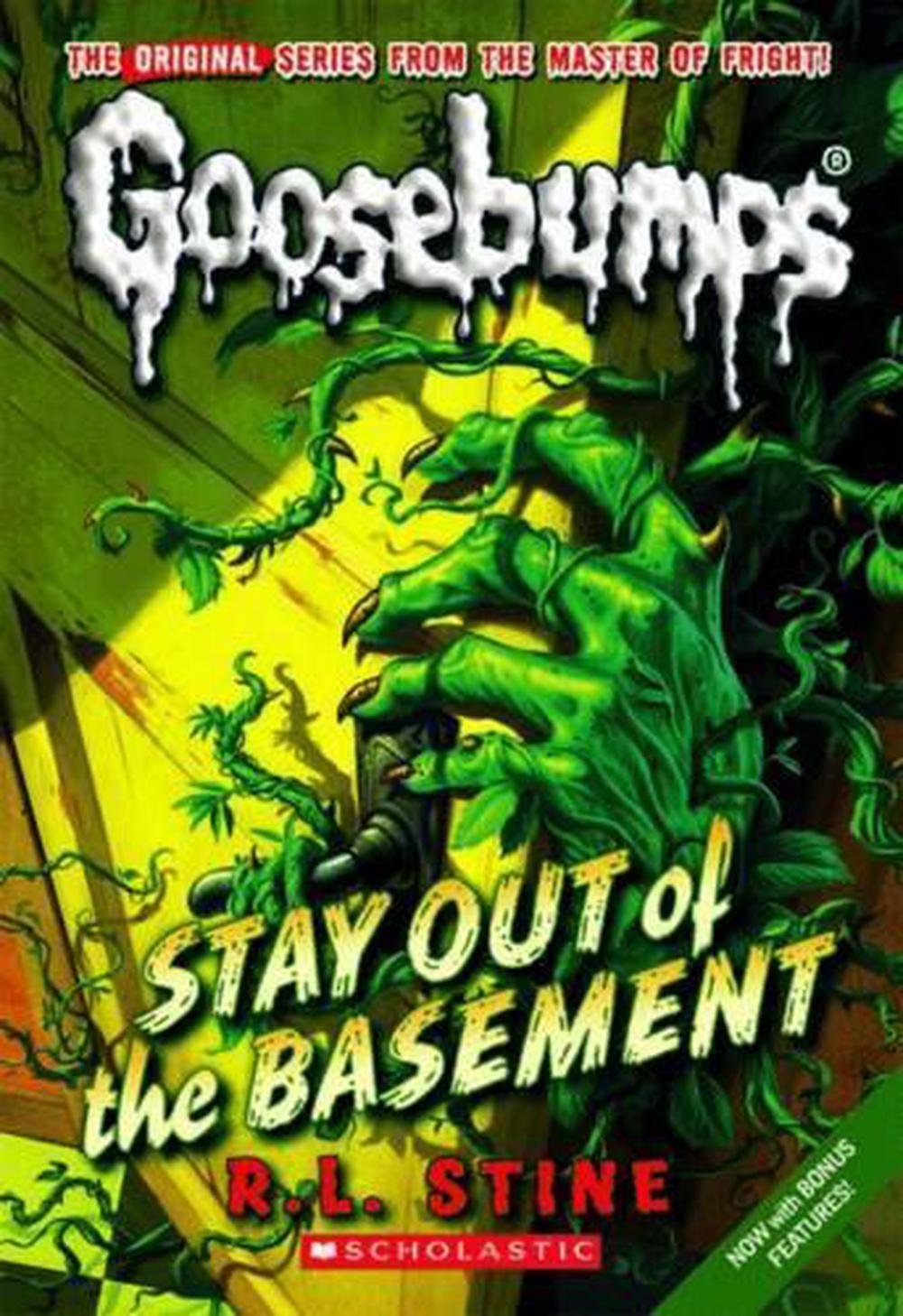
The lingering scent of damp earth and unsettling secrets – that's the signature of a master at work, and few authors have branded their unique style onto a generation quite like R.L. Stine. When we talk about R.L. Stine's Craft: Writing Style and Impact on Stay Out of the Basement, we're not just dissecting a children's book; we're exploring the foundational blueprint for an entire publishing phenomenon. Stay Out of the Basement, an early Goosebumps entry from 1992, perfectly showcases the deceptively simple yet profoundly effective techniques Stine employed to hook millions of young readers, making it a pivotal text in understanding his lasting genius.
At a Glance: Stine's Basement Blueprint
- Deceptively Simple Prose: Stine mastered short sentences and direct language to maintain high-octane pacing.
- The Unavoidable Cliffhanger: Chapters consistently end on a note of immediate peril or revelation, compelling readers onward.
- Sensory Immersion: He skillfully uses specific sounds, smells, and sights to build atmosphere and unease, particularly within the titular basement.
- Third-Person P.O.V.: Unusually for later Goosebumps, Basement uses third-person narration, which amplifies the mystery and allows for a broader, more omniscient sense of dread.
- Slow-Burn Suspense: Rather than immediate scares, Stine builds tension through gradual reveals and escalating oddities.
- Relatable Protagonists: Children facing extraordinary, often bizarre, circumstances grounded in everyday suburban life.
- Thematic Depth in Miniature: Despite the fast pace, the story subtly explores themes of scientific ethics, family trust, and the consequences of curiosity.
The R.L. Stine Blueprint: Simplicity as a Superpower
Think of R.L. Stine's writing as a perfectly engineered roller coaster. It's not about complex literary flourishes or deep psychological dives; it's about the thrill, the drop, and the relentless forward momentum. His craft, especially evident in Stay Out of the Basement, hinges on a few core principles that make his stories irresistibly readable.
The Art of the Immediate: Short Sentences, Punchy Prose
Stine understood his audience: middle-grade readers who wanted action and excitement, not exposition. His sentences are often short, declarative, and packed with direct information. This isn't a stylistic accident; it's a deliberate choice that serves multiple purposes. It keeps the reading pace lightning-fast, preventing young minds from wandering. It also delivers scares with a punch.
Consider a moment when Margaret first ventures into the basement. Stine doesn't describe the dust motes dancing in the light or the ancient history of the house. Instead, it's about the immediate sensory input: the chill, the smell, the sudden unexpected sight. This directness creates a sense of immediacy, making the reader feel as though they are right there with the character, experiencing the fear in real-time. This technique is a masterclass in efficiency, ensuring every word contributes to the escalating tension.
Cliffhangers: The Chapter's Last Gasp
If Stine had a secret weapon, it would be the chapter-ending cliffhanger. Almost every chapter in Stay Out of the Basement concludes with a sudden twist, a terrifying discovery, or a character in immediate peril. Margaret is cornered, a strange plant moves, Dr. Warren's eyes glow – these aren't just narrative devices; they are psychological hooks.
These cliffhangers are strategically designed to make it nearly impossible for a reader to put the book down. They create a relentless rhythm of anticipation and release, turning reading into an addictive experience. For Stine, the chapter break isn't a pause; it's a launchpad for the next burst of suspense. This technique not only drives the narrative forward but also fosters a unique reading habit, encouraging kids to devour books one thrilling chapter after another.
Sensory Details for Maximum Creep
While Stine's prose is lean, he's incredibly precise with sensory details, especially those that evoke unease. In Stay Out of the Basement, the basement itself is a character, defined by its unsettling atmosphere. Readers remember the "damp, earthy smell," the "thick, slimy leaves," and the "strange, throbbing sounds."
These details are not gratuitous; they are essential for building the story's unique brand of plant-based horror. The transformation of Dr. Warren isn't just told; it's shown through visual cues like his "greenish skin" or "leaves growing out of his ears." By focusing on these vivid, specific sensory inputs, Stine allows young readers to fully immerse themselves in the creeping dread, making the outlandish premise feel disturbingly real. It's about triggering primal fears with simple, effective strokes.
Staying Out of the Basement: A Masterclass in Early Goosebumps Tension
Stay Out of the Basement isn't just a great example of Stine's general style; it's a standout within the early Goosebumps canon, particularly for its narrative voice and unique pacing.
The Unblinking Eye of Third-Person Narration
One of the most distinguishing features of Stay Out of the Basement is its third-person narration, a style Stine largely abandoned in later Goosebumps books which favored first-person to heighten reader identification. In Basement, the third-person perspective serves a critical purpose: it amplifies the pervasive mystery and the sense of an unseen, lurking threat.
By stepping back, Stine creates a more objective, almost reportorial tone. We observe Margaret and Casey's growing fears and discoveries from a slight distance, allowing the horror to feel like an inevitable progression rather than purely internal panic. This omniscient viewpoint also allows Stine to reveal information strategically, often hinting at dangers before the children fully grasp them. The third-person gives the story an almost classic horror movie feel, where the audience knows something is deeply wrong even if the characters don't quite yet. This choice makes the family's crumbling reality even more chilling, as if an impartial observer is documenting their descent into botanical terror. For a deeper dive into the book's core narrative, you might find Your Goosebumps basement guide incredibly useful.
Pacing the Panic: The Slow Burn to a Frenzy
Stine rarely jumps straight into full-blown horror. His typical method, exemplified in Basement, is a masterful slow burn. The story begins with subtle shifts: Dr. Warren becoming "secretive and irritable," spending "long hours" in the basement. Then come the stranger details: the odd plants, the father's increasing plant-like tendencies, the peculiar smells.
This gradual escalation of strangeness is key to Stine's suspense-building. It allows readers to process each creepy detail, building a cumulative sense of dread. The children's fear mirrors the reader's growing unease. By the time Margaret and Casey confront the monstrous outcomes of their father's experiments, the groundwork for that terrifying climax has been meticulously laid, making the reveal all the more impactful. It's a testament to Stine's understanding of how to build tension without sacrificing accessibility.
Relatable Protagonists, Unsettling Situations
Margaret and Casey are archetypal Stine protagonists: ordinary kids in an ordinary suburban setting. They bicker, they're curious, and they initially dismiss their father's odd behavior as typical parental quirks. This relatability is crucial to the story's impact.
By placing normal children in increasingly abnormal and horrifying situations, Stine makes the fantastic feel tangible. Readers can easily project themselves into Margaret's shoes as she nervously explores the forbidden basement. Their fear becomes our fear. This grounding in the mundane makes the eventual plant-based body horror and the breakdown of the family unit far more disturbing. It's a potent reminder that even in the safest-seeming environments, terror can sprout from the most unexpected places.
Weaving Themes Through Terror: Beyond the Spooks
While celebrated for scares, Stine's best works, including Stay Out of the Basement, subtly weave in larger thematic questions, giving them a resonance beyond mere frights.
Curiosity's Double-Edged Sword
At its heart, Stay Out of the Basement is a cautionary tale about curiosity. Margaret's inherent inquisitiveness, a trait many young readers share, drives the plot. She doesn't have to go into the basement, but the mystery compels her. This natural human impulse is what leads to dangerous discoveries.
Stine demonstrates how an innocent desire to know can unravel terrifying truths. Margaret's repeated clandestine trips to the basement aren't just for suspense; they illustrate the irresistible pull of the unknown and the dire consequences that can follow when boundaries are crossed. It's a theme that resonates deeply with kids exploring their own worlds and facing their own temptations to peek behind the curtain.
When Science Goes Awry: A 90s Concern
Published in 1992, Stay Out of the Basement tapped into a vein of 1990s societal concerns about the ethical boundaries of scientific exploration, particularly in biological research. Dr. Warren's experiments represent science unchecked, pushing the natural order beyond its limits.
The story implicitly asks questions about hubris and the potential dangers of tampering with nature. While never overtly preachy, the horror inherent in Dr. Warren's transformation and the creation of monstrous plants serves as a vivid, visceral warning. It makes complex ethical dilemmas accessible to a young audience, framing them within a terrifying, yet understandable, narrative. It's a classic sci-fi trope made fresh and unsettling for the middle-grade set.
The Cracks in the Family Foundation
Beneath the sci-fi horror, Stay Out of the Basement also explores themes of family and trust. Dr. Warren's secrecy isolates him, creating a palpable distance from his children and wife. The breakdown of communication within the family unit is a source of psychological tension as powerful as any plant monster.
Margaret and Casey's struggle isn't just against a mutated parent; it's also about coming to terms with the idea that someone they love and trust can become alien and dangerous. Mrs. Warren's initial obliviousness further highlights this fractured trust. The story subtly suggests that secrets, especially within a family, can be as corrosive and transforming as any bizarre botanical experiment, rotting relationships from the inside out.
The Impact: Why Stay Out of the Basement Endures
Decades after its publication, Stay Out of the Basement remains a beloved and often-cited Goosebumps classic. Its enduring popularity is a testament to the power of R.L. Stine's craft.
A Gateway to Genre
For many, Stay Out of the Basement was a gateway drug to the world of suspense, mystery, science fiction, and horror. Stine's accessible style, coupled with genuinely creepy premises, provided a safe entry point into genres that might otherwise have been too intimidating for young readers. He showed that reading could be an exhilarating, heart-pounding adventure.
The book's blend of these elements, from the mystery of the basement to the sci-fi explanation of the plants and the horror of the transformation, offered a rich, multi-layered experience. It demonstrated how genre elements could be combined to create something truly unique and memorable, laying the groundwork for future genre enthusiasts.
The Power of the Familiar Made Strange
Stine's genius often lay in taking the perfectly ordinary – a suburban home, a loving father, a backyard garden – and twisting it into something utterly terrifying. The familiar setting of Stay Out of the Basement is crucial to its impact. It makes the horror feel closer, more possible.
When a seemingly normal dad starts turning into a plant, the horror is magnified precisely because it violates the sanctity of the family unit and the safety of the home. This subversion of the familiar is a hallmark of Stine's craft, ensuring that the scares resonate on a deeper level than mere jump scares. It forces young readers to question the safety of their own seemingly mundane surroundings.
The Memorable Adaptation Effect
The impact of Stay Out of the Basement was further cemented by its adaptation on the original Goosebumps television show. The visual medium perfectly translated the book's core scares: Dr. Warren's grotesque transformation, the menacing plants, and the claustrophobic atmosphere of the basement.
The TV episode amplified the book's themes and scares for a broader audience, turning its key moments into iconic images for a generation. This synergy between the book and its adaptation meant that the story's craft and impact extended beyond the page, solidifying its place in popular culture as a definitive example of early Goosebumps genius.
Common Questions About Stine's Craft and Basement
Understanding Stine's approach means addressing some common inquiries about his methodology and the enduring nature of books like Stay Out of the Basement.
Is Stay Out of the Basement truly scary for today's readers?
While what constitutes "scary" evolves, Stay Out of the Basement remains effectively creepy. Its horror relies less on gore and more on body horror (Dr. Warren's transformation), psychological unease (the breakdown of family trust), and the violation of natural order. These elements are timeless and continue to disturb, especially the unsettling concept of a loved one becoming something alien. Its "scare" factor is more about dread and discomfort than jump scares, making it a lasting source of thrills.
How did R.L. Stine manage to write so many books with a consistent style?
Stine's consistency is a result of a highly disciplined approach to his craft and a deep understanding of his target audience. He developed a successful formula: relatable characters, a suburban setting, a supernatural or sci-fi twist, escalating tension, and signature cliffhangers. By adhering to this proven structure and focusing on crisp, direct prose, he could efficiently produce a high volume of stories that consistently delivered the "chills" his readers craved. His craft was about perfecting a specific type of storytelling, not reinventing the wheel with each book.
Why did R.L. Stine switch from third-person narration after early Goosebumps books like Stay Out of the Basement?
While Basement expertly uses third-person to build a broader sense of mystery, Stine primarily shifted to first-person narration in later Goosebumps books to foster an even stronger sense of identification for his readers. First-person allows for a deeper dive into the protagonist's immediate fears, internal monologue, and direct sensory experience. This "you are there" perspective often amplifies the feeling of terror and makes the reader's experience more personal, aligning with the increasingly psychological (if still light) scares of the series as it progressed. The third-person in Basement is a unique artifact of his early series development.
Unlocking the Basement's Secrets for Yourself
R.L. Stine's craft, particularly as seen in Stay Out of the Basement, isn't just about writing; it's about connecting with an audience on a visceral level, delivering exactly what they crave: a thrilling, unsettling, and utterly unforgettable reading experience. By mastering the art of the immediate sentence, the inescapable cliffhanger, and the power of familiar settings made strange, Stine created a legacy that transcends simple scares.
Revisiting Stay Out of the Basement isn't just a trip down memory lane; it's an opportunity to appreciate the foundational elements of a literary phenomenon. Pay attention to how Stine meticulously builds tension, introduces shocking twists, and makes you care about Margaret and Casey's desperate struggle against their transformed father. You'll quickly discover that the enduring genius of R.L. Stine isn't just in the scares, but in the precision of his craft that made those scares so wonderfully effective. Dive back in, if you dare, and see how the master of fright continues to hold his audience captive, one terrifying secret at a time.